We're Nothing at All
„We're Nothing At All“ is a social drama with action elements by Herman Yau, one of Hong Kong's most experienced and successful directors of recent decades. After its premiere on the first day of this year's Hong Kong Film Festival, it was immediately released in theaters.
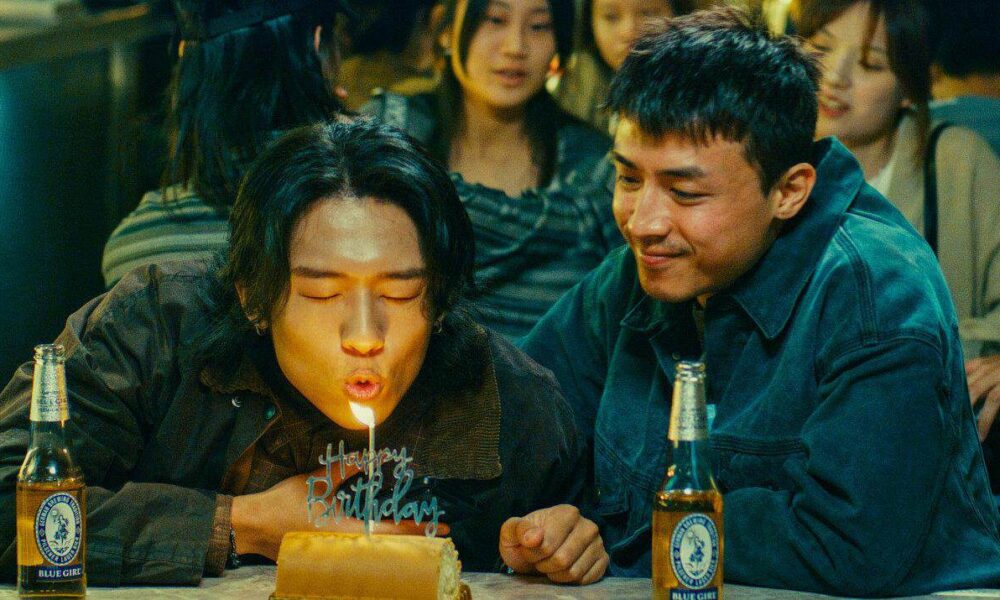
„We're Nothing At All“ is a social drama with action elements by Herman Yau, one of Hong Kong's most experienced and successful directors of recent decades. After its premiere on the first day of this year's Hong Kong Film Festival, it was immediately released in theaters, where it has performed respectably so far, grossing around US$500,000 after a two-week run.
Herman Yau, born in 1961 in China's Guangdong province, has directed no fewer than 86 films in the past 39 years, with two more currently in production. Moreover, the majority of these films are not small projects, but rather veritable big-budget productions, even entire film series such as the highly successful „Troublesome Night“ films (1997–1999), the „Shockwave“, and the „White Storm“ franchise. On the other hand, Yau is also known and appreciated for his ability to create a powerful impact on screen even with more modest budgets. He himself, he once said, actually prefers it that way. And every now and then, presumably with the help of the earnings from his hit films, Yau manages to make more personal films with a social message, such as „Whispers and Moans“ (2007) or „Sara“ (2015). Clearly, „We're Nothing At All“ is one of these, written, financed, and produced by Yau almost single-handedly. This was likely also in recognition of the fact that investors for this kind of „difficult“ film are now hard to find in Hong Kong.
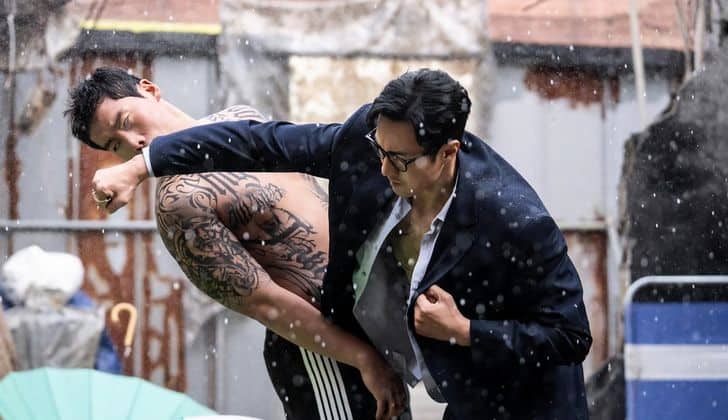
The plot is based on a real event that took place in a similar way on Valentine's Day 1998 in the Chinese metropolis of Wuhan. Yau relocates it to Hong Kong, where—also on the morning of a Valentine's Day—a double-decker bus travels through the city. We follow the bus for a while, see passengers getting on and off, before it suddenly explodes and immediately burns out after turning onto Hei Fai Street. But what begins like one of Yau's signature action blockbusters quickly takes a completely different turn. The city and the media are shocked, and the police are baffled. Forensic specialist Lung (Patrick Tam), who was dishonorably discharged from the police force a few years ago, is brought back, and together with his team, he tries to find a solution to a seemingly inexplicable puzzle by examining the, yes, human remains scattered at the scene of the catastrophe.

But suspense isn't the main focus here, at least not overtly: We, as viewers, learn fairly early on why the bus exploded and who is behind the incident. In fact, it's essentially stated in the film's tagline: „A couple, on a beautiful day, ended their unbeautiful lives.“ That they take numerous people with them is the unfortunate consequence of a personal tragedy. The fact that the „couple“ is gay isn't essential to the act itself, but it is crucial to understanding the circumstances that lead to the spectacular double suicide. These circumstances are revealed in a series of flashbacks. Narratively, this is very ambitious, and for the most part, it works—with the exception of a very forced subplot involving police officer Lung and his girlfriend (Kearen Pang), which Yau perhaps should have omitted.
Casting Anson Kong and Ansonbean (Anson Chan's stage name), both prominent teen idols, as the gay couple was a bold move by Herman Yau; that they accepted the challenge, speaks volumes about them, as openly portraying homosexuality is still not commonplace in cosmopolitan Hong Kong. But not only is the film about their sexuality, it is very much about class issues: The two are at the bottom of the social ladder: Fai (Kong) is a construction worker who has been cheated by his employer and is constantly put off regarding payment, while Ike (Chan) is a street performer who is repeatedly harassed by the police. They are under immense pressure, and even the apartment they eventually share is threatened with being taken away. The two young actors are a truly heartbreaking duo and portray their love with a devotion and intensity that is truly captivating.
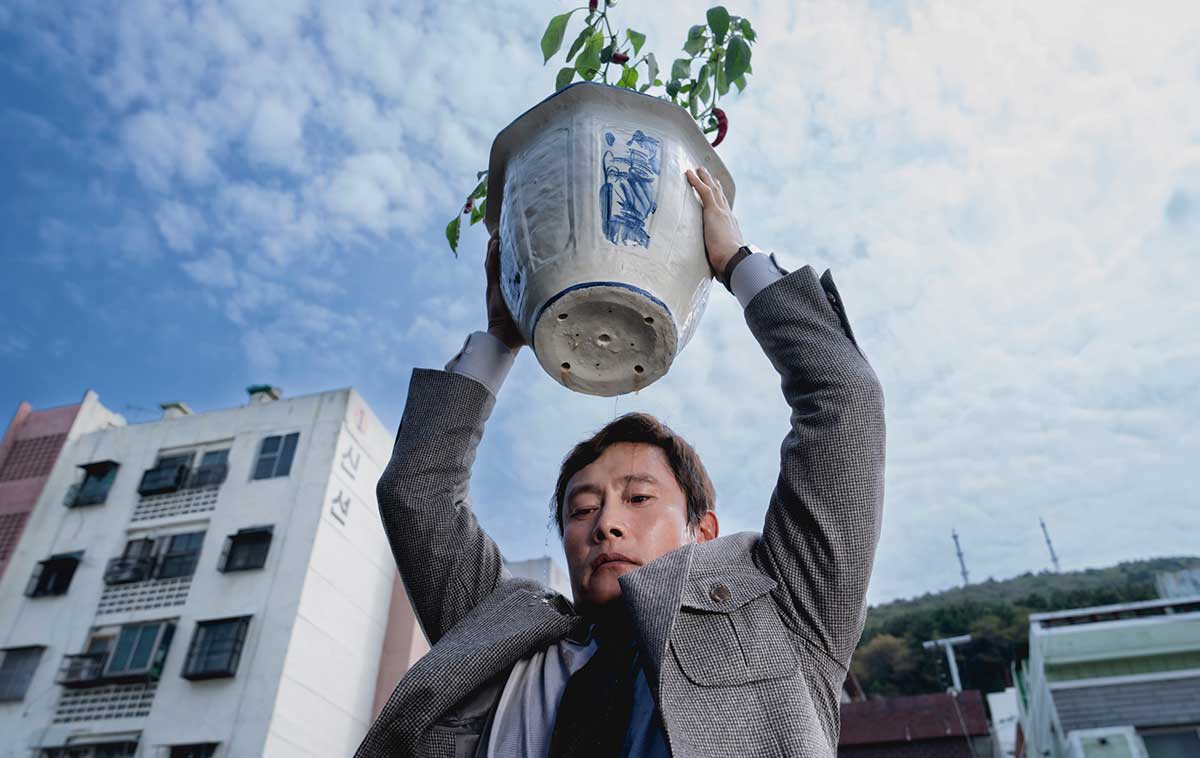
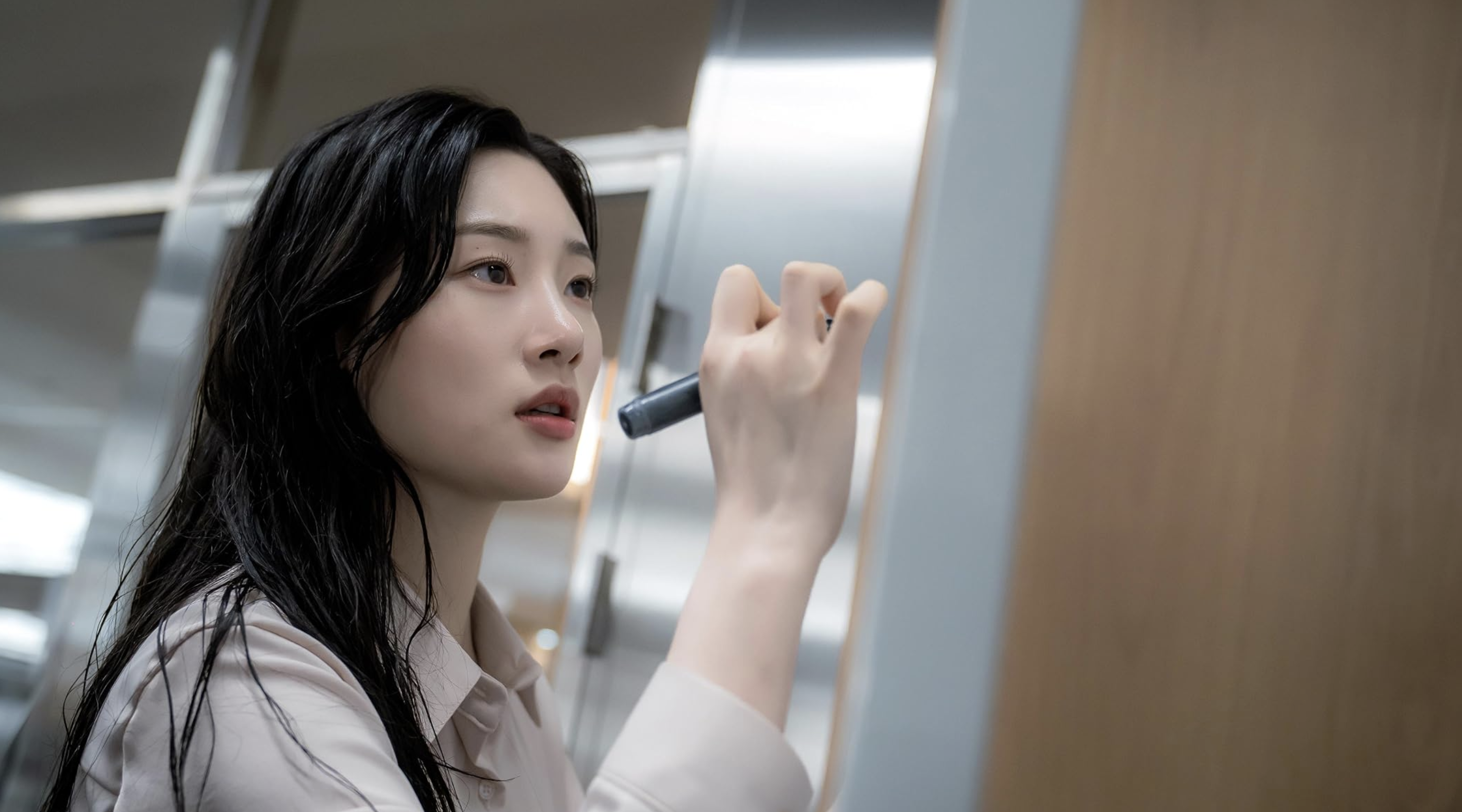
Patrick Tam, who in recent years has become one of the leading actors in Hong Kong's commercial cinema, delivers another fine performance. Wong You-nam, who also plays a key role in „Ciao UFO,“ which was released in Hong Kong around the same time, stands out as Lung's assistant. The police work is shown here with almost documentary-like precision; Mandy Ngai and Derek Siu, the two cameramen, deliberately deliver sober and unadorned images of a far from glamorous Hong Kong. The work of production designer Fion Li and costume designer Chun Yan-so, who previously collaborated with Herman Yau on „White Storm 2“ (2019), further reinforces this impression.
„We're Nothing At All“ joins a growing number of Hong Kong films that have taken a more serious, less flashy direction in recent years than was typical in the past. Think of films like „Still Human,“ „The Last Dance,“ or „The Way We Talk“—entertaining and compelling cinema despite, or perhaps because of, their social commentary.
Der Text erschien auf asianmoviepulse.com im April 2026.